Agentic AI: From Assistants to Actors
September confirmed the shift in focus: AI is no longer just a support tool; it’s becoming an agent inside workflows. Gartner forecasts that by 2028, one-third of enterprise software will include agentic AI — systems that don’t just suggest, but decide and act.
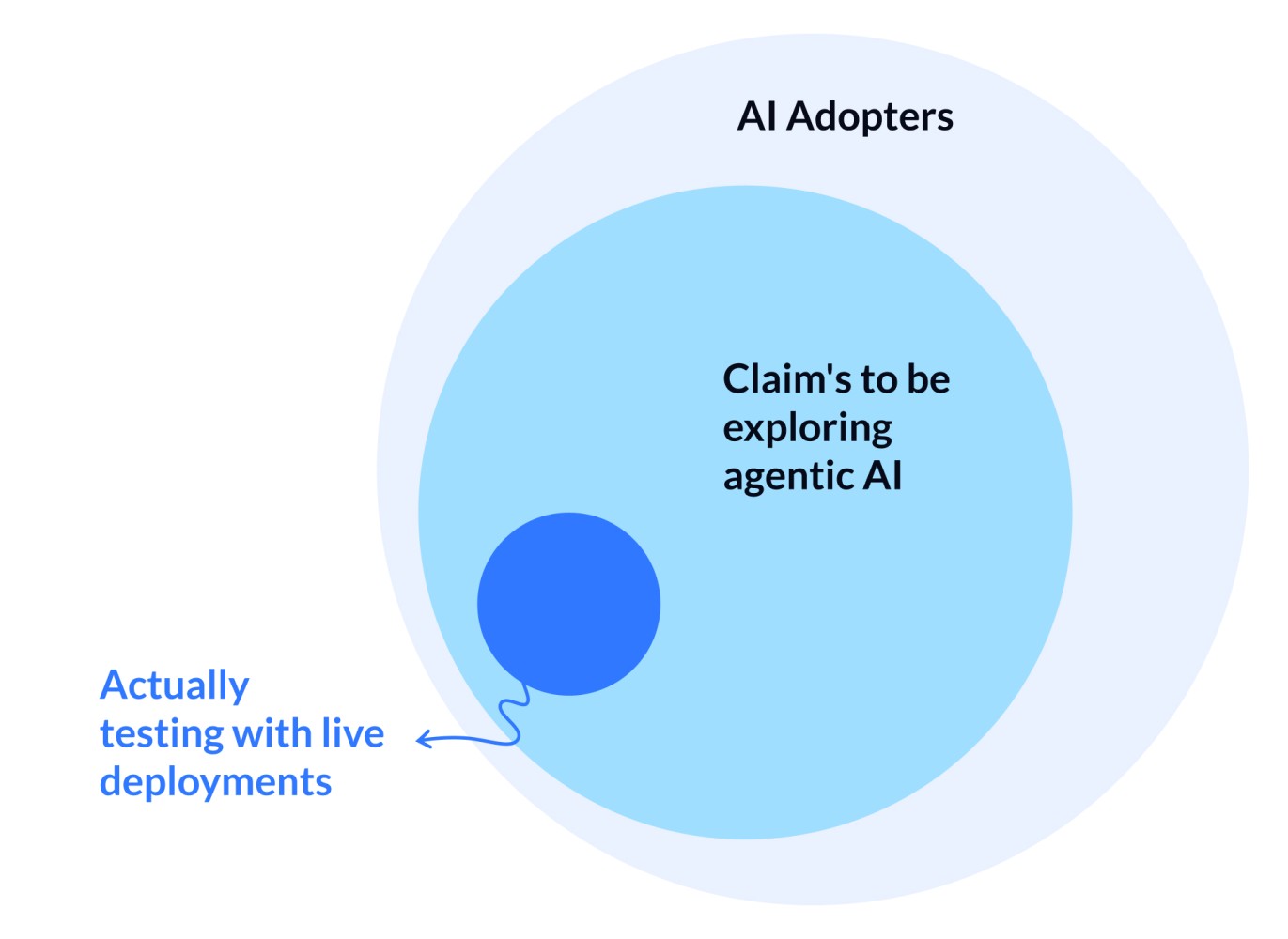
SAS’s latest survey, though, shows the execution gap: 75% of adopters claim they’re exploring agentic AI, but only 21% have tested live deployments. In other words, most businesses are still in the “slide deck” phase.
Why this matters: Agentic AI changes accountability. If AI acts on behalf of the business, who owns the result? Who validates the decision before it impacts customers, operations, or financials? Companies that experiment without guardrails risk costly misfires.
The winners will be those who set clear boundaries: where AI acts independently, where humans approve, and how results are measured in business terms — not technical novelty.
AI Infrastructure: The Economic Engine Behind the Hype
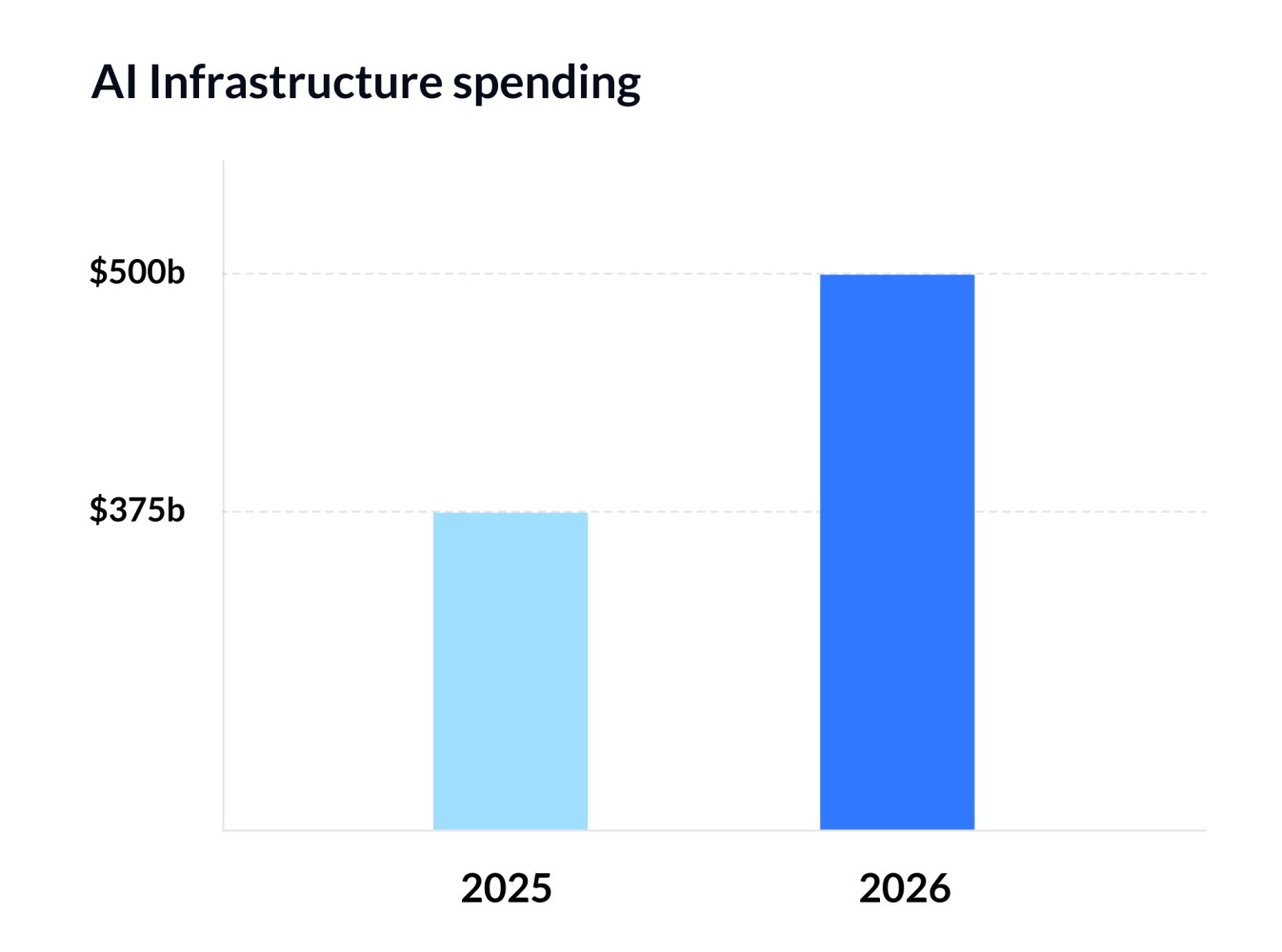
For now, AI’s biggest economic impact isn’t in workflows — it’s in construction. The New York Times reported that global AI infrastructure spending will hit $375 billion this year, climbing to $500 billion in 2026.
Data centers, not office buildings, are driving construction growth. Cement producers, battery providers, and even nuclear startups are benefiting from the “AI build-out.” In the U.S., construction tied to data centers is one of the few bright spots offsetting weakness in housing and warehousing.
But there’s a strategic caution: history remembers the dot-com bust, when billions went into fiber networks that sat underused for years. As UBS noted, some “indigestion” in AI capital spending is inevitable. Leaders need to ask: Are we betting on sustainable demand, or just today’s hype-fueled expansion?
For executives, the message is clear: AI is now a macroeconomic force. Even if your company isn’t building models, the infrastructure arms race is reshaping supply chains, costs, and competition.
Policy & Regulation: The Governance Gap Widens
The UK’s AI Safety Institute announced global expansion this month, while the EU moved toward strict enforcement of its AI Act. The message is clear: regulators are moving faster than many enterprises.
At the same time, California passed SB53 — the Transparency in Frontier AI Act — making it the first U.S. state to mandate disclosure and safety protocols for advanced AI systems.
Key provisions include:
- Transparency: AI developers must publish safety and governance frameworks aligned with industry best practices.
- Incident reporting: Critical safety incidents must be reported within 15 days.
- Whistleblower protections: Employees who report risks are shielded from retaliation.
- CalCompute: A state-backed computing cluster will support AI research, startups, and public transparency.
Why this matters: SB53 signals that regulation is no longer lagging behind AI — it’s catching up, and fast. California’s model may inspire other states or accelerate federal standards. Unlike previous proposals, it leans toward transparent accountability rather than strict liability, though critics argue its allowance for proprietary redactions and lack of third-party audits weakens enforceability.
Leader takeaway: Don’t wait for compliance. SB53 is a preview of the governance expectations that will soon define markets. The smart move is to start building your safety frameworks now — incident detection, oversight, risk reporting — and ensure your vendors and partners align to the same standards.
Your Strategic Imperative
September’s throughline is this: AI is moving from exploration to execution, and the stakes are higher than ever.
Agentic AI raises accountability questions. Infrastructure spending is reshaping industries. Regulation is catching up. Security is becoming existential.
Before your next initiative, ask:
- Where does AI truly add business value today?
- How are we validating both outcomes and risks?
- Are we prepared for the governance and security expectations of tomorrow?
Final Word
The AI economy is no longer hypothetical — it’s visible in budgets, buildings, and boardrooms. But hype is still colliding with hard truths. The leaders who succeed now won’t just adopt AI; they’ll align it with governance, economics, and culture.
Until next time, stay strategic.