Every few weeks, a new AI announcement reminds us how blurred the line between innovation and imagination is becoming. From humanoid robots promising to run our homes to AI browsers promising to navigate the web for us, the narrative of “AI doing it all” keeps expanding — faster than the technology itself. But in moments like these, it’s worth slowing down — not to resist the future, but to see it more clearly.
Neo Robot and the Science Fiction Dream
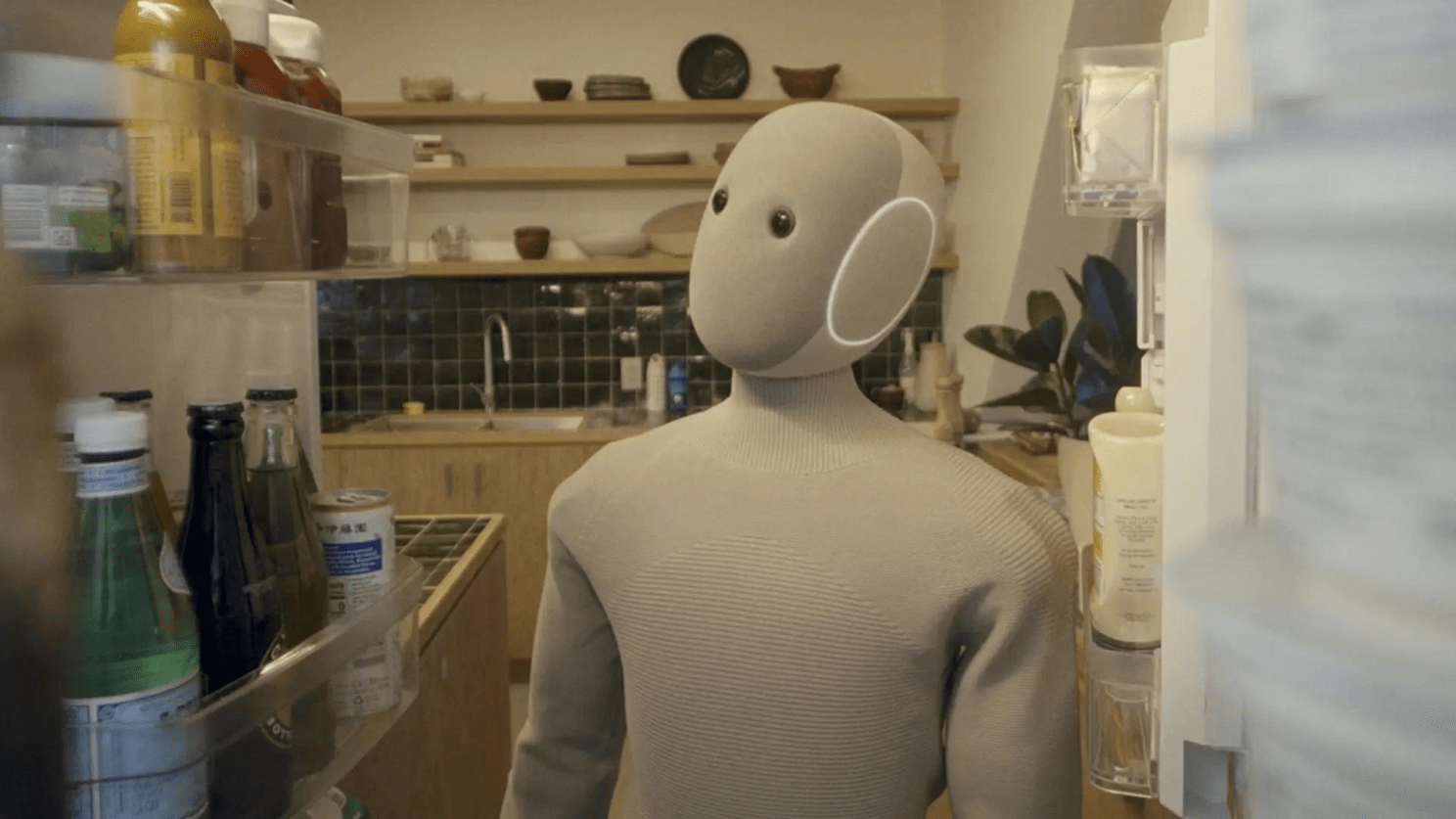
A U.S. company just unveiled Neo Robot, a humanoid assistant powered by a large language model and designed to help with household chores. The trailer looks straight out of a science fiction movie — until you notice that only about 20 seconds of footage show it acting autonomously.
It’s an exciting vision, but still a distant one. The robot struggles to complete basic tasks, and there’s little evidence that it can truly understand or adapt to its environment. What we’re likely seeing today is a carefully choreographed demo — not yet a fully intelligent agent.
Even the company admits this: Neo isn’t a product ready to ship. It’s a pre-order campaign — a way to raise funds and validate interest while betting that the technology will catch up to the promise. That’s a legitimate strategy in hardware innovation, but it’s worth recognizing what it really signals: we’re still financing the dream, not living it yet.
This doesn’t make it less inspiring — just more real. And as professionals working with AI every day, it’s our job to recognize the difference between a vision worth backing and a capability already achieved.
Agentic Browsers and the Privacy Trade-off
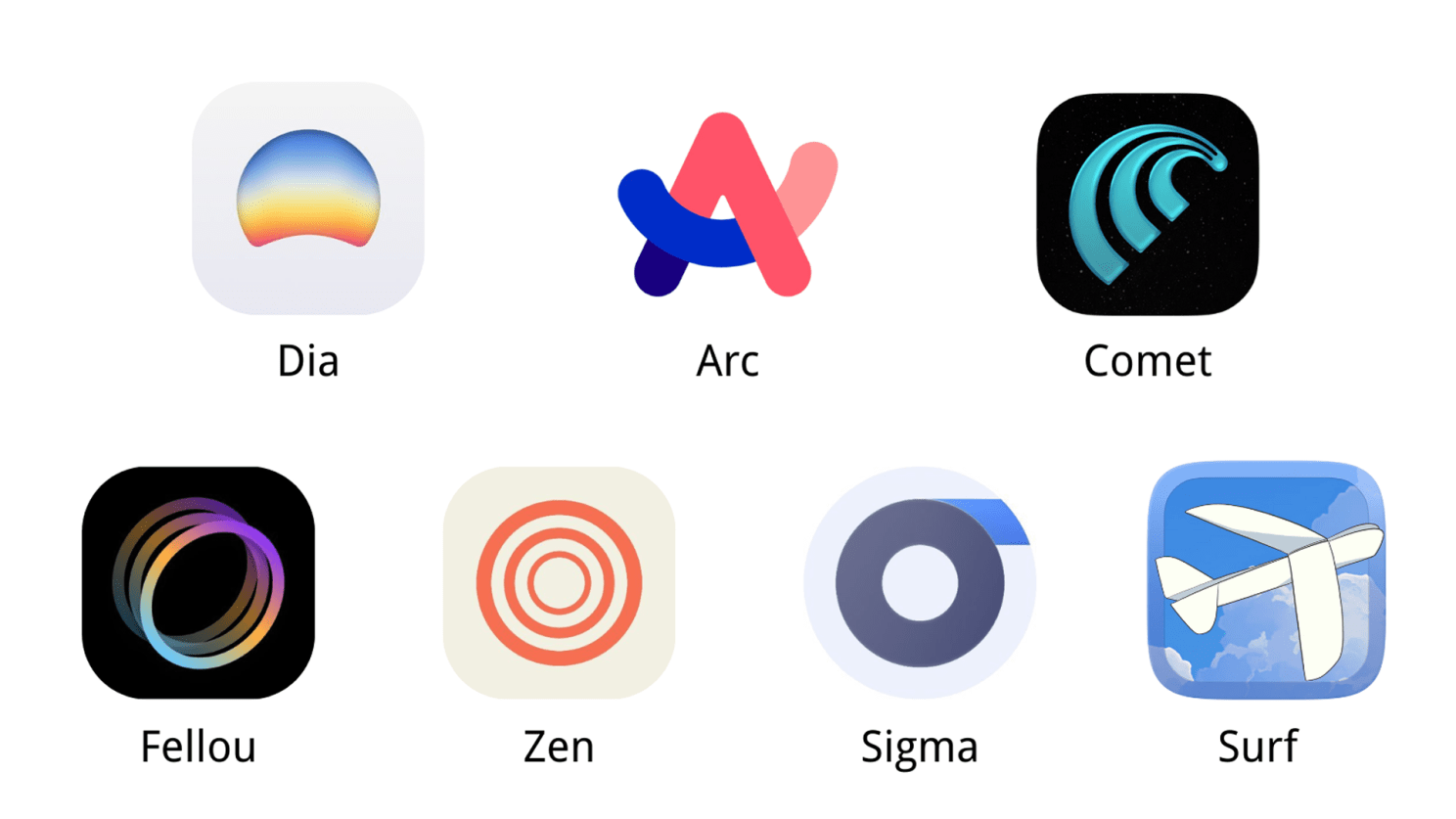
“Agentic browsers” — AI systems that can browse, summarize, and act for you online — are quickly becoming the next frontier. On paper, the idea is transformative: imagine an AI that can find information, compare results, and even complete tasks in your browser automatically.
But giving an AI agency over your digital behavior also means giving it access to a vast amount of personal context — what you search, what you read, and how you make decisions. Even if these systems aren’t explicitly recording your data, by design they could see everything you interact with. That’s a huge step toward blurring the boundary between personal browsing and AI supervision.
Add to that the technical challenges — privacy leaks, unreliable results, and security vulnerabilities already emerging — and it’s clear this technology is still in its experimental phase.
For now, our advice remains simple: Keep your AI workspace and your personal browser separate. Experiment boldly, but safely. Until these systems mature and prove they can handle that level of access responsibly, your data deserves distance.
Valere Learning: Building Capability, Not Dependency
On a more personal note, we’ve just launched Valere Learning, a new initiative dedicated to helping teams and organizations build real AI capability.
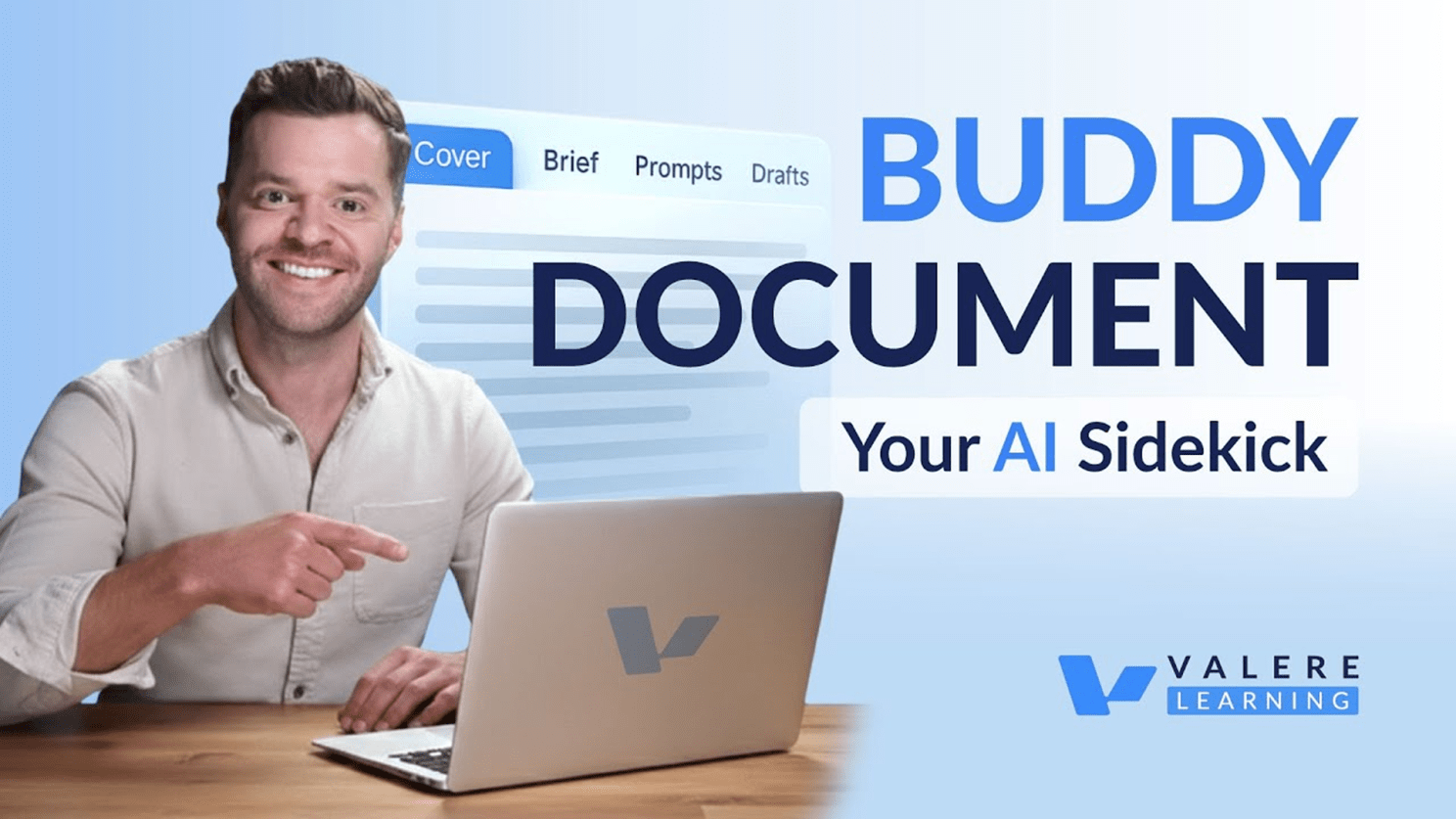
Our first video, “Buddy Document,” introduces a method we use internally — and now teach — to structure your creative and strategic work with AI. The idea is simple: instead of scattering your prompts and outputs across chats, build a single living document that captures your context, experiments, and learnings. It becomes your project’s “local AI memory” — the place where human creativity and machine assistance meet.
This isn’t about replacing your work with AI. It’s about building better with it. We’re proud of this milestone and the people behind it — and we invite you to check it out on our YouTube channel and follow the series as it grows.