As we stand on the brink of an automotive revolution, the shift towards electric vehicles (EVs) is more plausable than ever. With major automakers like Ford adopting Tesla’s charging system, the infrastructure for EVs is set to become more unified and accessible. This pivotal moment invites consumers to consider EVs not as a future possibility but as a present-day choice for sustainable mobility.
This also opens up the door to a ton of new services and tools within the software development industry for anyone brave enough to turn the knob. Have you ever thought of the possibilities?
The Dawn of Autonomous Driving
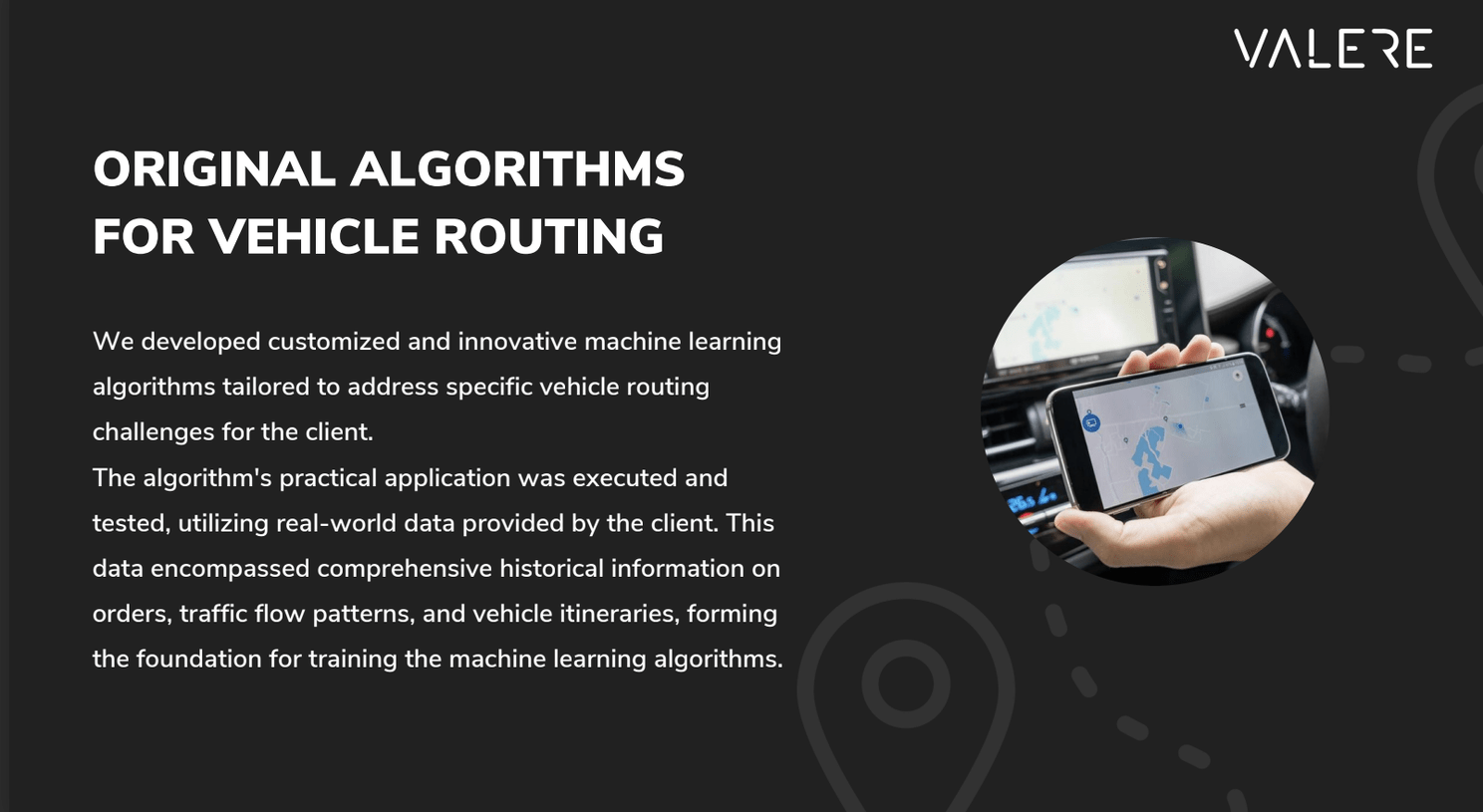
Autonomous vehicles represent the pinnacle of integrating AI in our daily lives, promising a future where cars are not just modes of transport but intelligent entities that enhance our safety and efficiency on the roads. From understanding how self-driving cars perceive their environment through a mix of sensors and AI to dissecting the levels of automation, we are inching closer to a world where our vehicles navigate the complexities of the road with precision and foresight.
And if self-driving cars just aren’t your thing… Here are three additional ways ML is seamlessly integrated into everyday activities:
- Personalized Entertainment: Streaming services use ML to analyze your viewing habits and ratings to recommend movies and shows tailored to your tastes, ensuring your next binge session is just a click away.
- Smart Home Convenience: From thermostats that learn your schedule and adjust the temperature to your comfort, to fridges that track your food stock and suggest recipes, ML is making homes more intuitive and energy-efficient.
- Health and Fitness: Wearable devices equipped with ML monitor your physical activities, sleep patterns, and vital signs, providing personalized insights and recommendations for a healthier lifestyle.
The Future Takes Flight
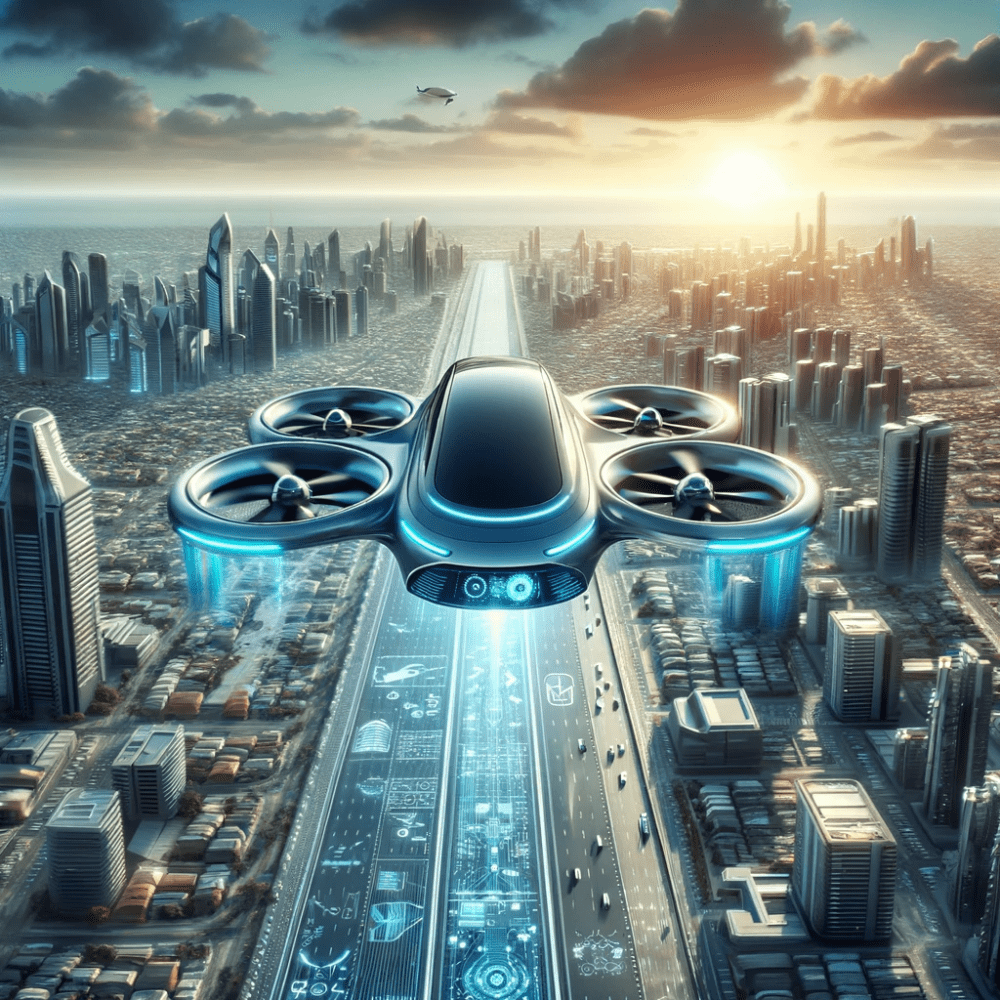
Beyond the roads, the skies beckon with the promise of flying cars. This concept, once relegated to the realms of science fiction, is now being explored as a viable mode of transportation.
With AI at the helm, these vehicles could operate autonomously, offering a glimpse into a future where our mobility is not constrained by the traffic below but liberated by the open skies above.
Navigating the Challenges Ahead
The transition to AI-driven technologies in automotive and beyond is brimming with challenges, from infrastructure and safety concerns to ethical considerations in programming.
The journey towards integrating AI into our vehicles — whether it’s retrofitting classic cars with electric motors or ensuring autonomous vehicles make ethical decisions — underscores the need for a comprehensive approach that prioritizes safety, efficiency, and sustainability. Here are a few problems that will likely be solved with AI/ML:
- Adapting to Dynamic Environments: The real world is unpredictable. ML systems in autonomous vehicles must be trained to handle a vast array of scenarios, including those that are rare or have not been encountered before. Continuous learning and simulation training can help ML models adapt to these dynamic conditions.
- Regulatory Compliance: As AI becomes more central to automotive functions, ensuring that these systems comply with evolving regulations will be challenging. ML can aid in monitoring compliance with these regulations, but it will also require frequent updates to keep pace with legislative changes.
- Human-AI Interaction: The interaction between human drivers and AI systems must be intuitive and seamless to ensure safety and trust in the technology. Machine learning can help refine these interactions through user behavior analysis and iterative design improvements.
Valere: Driving the Future of AI
At Valere, we stand at the forefront of this technological evolution, committed to harnessing AI to redefine our daily interactions with technology. And we have one last thing to say! Don’t just read about the future… be a part of it.
AI is not a distant dream—it’s here at Valere, and it’s ready to revolutionize the way you live, work, and move.
Reach out now to see how Valere’s AI solutions can bring efficiency, sustainability, and innovation to your doorstep. Take the first step into a smarter world with Valere.